
A cracked molar, a filling that has finally given out, or a tooth worn down after years of grinding — these are the moments when a dental crown often comes up in conversation with your dentist in St. Clair County. Crowns are among the most common ways to protect and rebuild a tooth weakened by damage or decay, and knowing what the process entails in advance can make the whole experience feel far less intimidating. Whether you are weighing crown materials, curious about same-day options, or simply trying to figure out if a crown is the right fix for your tooth, here is what every patient should understand before getting a dental crown.

What Is a Dental Crown, and What Does It Do?
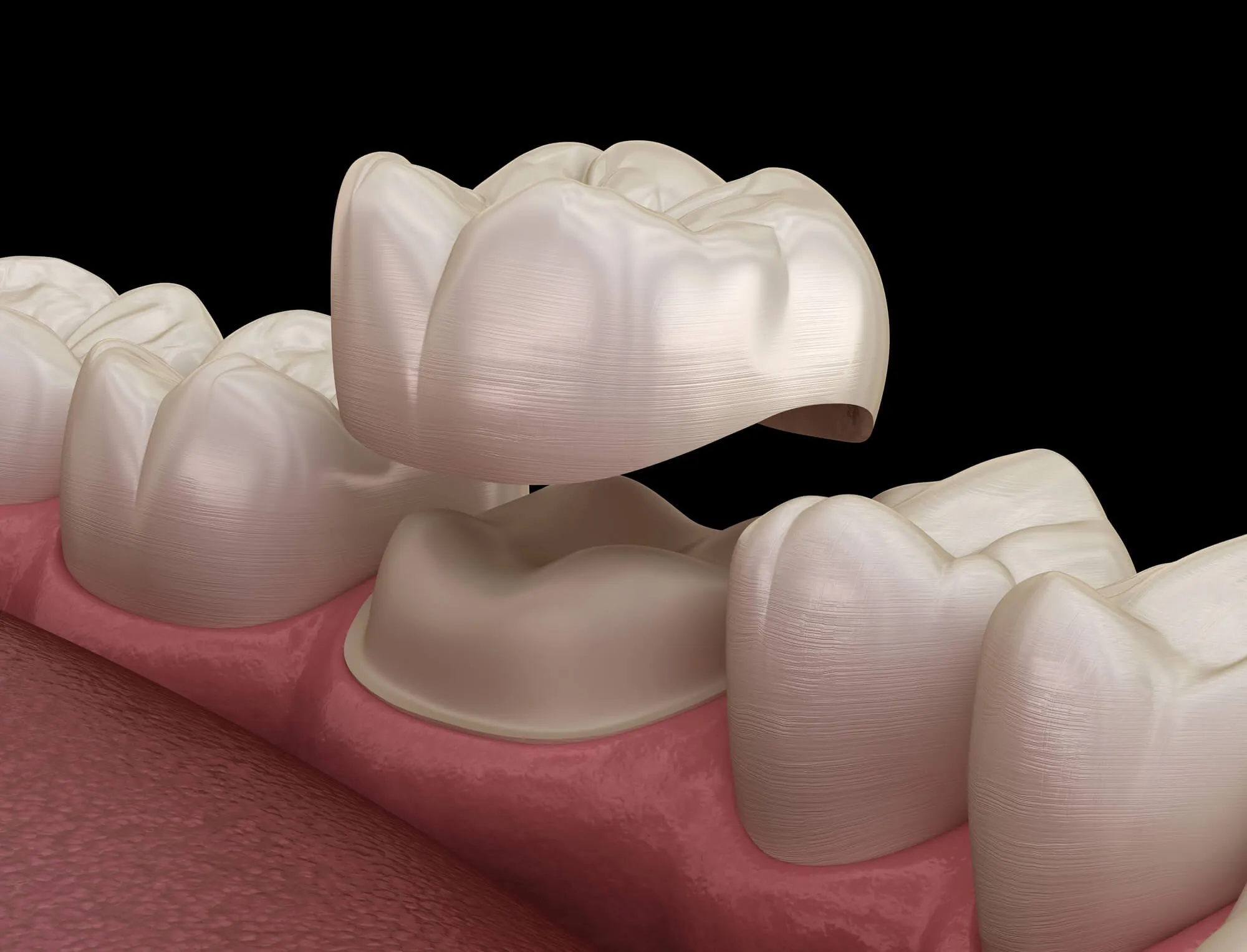
A dental crown is a custom-made cap that fits over an entire tooth, restoring its shape, size, strength, and appearance. Unlike a filling, which repairs a small section of a tooth, a crown covers the tooth completely, from the gumline up. This makes it a good option when there is not enough healthy tooth structure left to support a smaller repair.
According to the American Dental Association, crowns are commonly used to strengthen a tooth after a large filling, anchor a bridge, protect a weak tooth from breaking, restore an already broken tooth, or cover a tooth that is discolored or oddly shaped. Crowns can also cap a dental implant, giving it the same look and function as a natural tooth.
Signs You Might Need a Dental Crown
Not every damaged tooth needs a crown, but a dentist may recommend one in several common situations. Some of the most frequent reasons include:
- A cracked or fractured tooth
- Decay too extensive for a standard filling
- A tooth worn down from grinding or erosion
- A misshapen or heavily discolored tooth
- A tooth that has undergone root canal treatment
- A tooth serving as an anchor for a dental bridge
- A dental implant that needs a natural-looking cap
A cracked or severely broken tooth can also turn into an urgent situation rather than a routine one. If a tooth breaks unexpectedly or starts causing sharp pain, seeking emergency dental care sooner rather than later can help prevent further damage.
Choosing the Right Crown Material
The best material for a crown depends on which tooth is being treated and what the patient prioritizes, whether that is strength, appearance, or both.
Porcelain or ceramic crowns are a popular choice for front teeth because they closely match the natural color and translucency of tooth enamel. Zirconia crowns are known for their strength, making them a solid option for molars and for patients who grind their teeth. Porcelain-fused-to-metal crowns combine a metal base for durability with a porcelain outer layer for a more natural look, though a thin metal line can sometimes show at the gumline. Same-day crowns are milled on-site from a single block of ceramic, which allows a crown to be designed and placed in one appointment instead of two.
Patients who want a more natural-looking smile overall, not just a single restored tooth, sometimes explore cosmetic dentistry services during the same visit, since several of the materials used for crowns also apply to veneers and other cosmetic treatments.
What to Expect During the Crown Process
Getting a traditional crown usually takes two visits. During the first visit, the dentist prepares the tooth by removing a thin layer of enamel, takes an impression, and fits a temporary crown while the permanent one is custom-made. According to the Cleveland Clinic, the fabrication process typically takes two to three weeks, after which the patient returns to have the permanent crown checked and bonded into place.
Same-day crowns skip the waiting period entirely. Using digital scanning technology, the dentist captures a three-dimensional image of the tooth, designs the crown with specialized software, and mills it on-site from a solid block of ceramic, all in a single visit. This approach works well for patients who would rather not wear a temporary crown or make a second trip to the office.
Crowns are not only used to repair damaged natural teeth. They are also placed on top of single dental implants to recreate the look and function of a missing tooth, giving patients a long-term, natural-looking replacement. In either case, the goal is the same: a restoration that blends in with the rest of the smile and holds up to normal biting and chewing for years to come.
Caring for Your Crown After Placement
A crown is built to hold up to everyday use, but a few habits can help it last as long as possible:
- Brush twice a day and floss once a day, including around the base of the crown
- Avoid chewing ice or biting down on hard objects like pens or fingernails
- Wear a nightguard if grinding or clenching is a habit
- Keep up with regular dental checkups so the crown can be checked for wear over time
With proper care, a crown can last 10 to 15 years or longer, and some crowns hold up even longer, depending on the material used and where it sits in the mouth.
Dental Crown FAQs
How long do dental crowns last?
With good oral hygiene and regular checkups, a crown can typically last ten to fifteen years or more. Cleveland Clinic notes that with proper care, some crowns can hold up for decades, though how long any individual crown lasts depends on the material used and where it is placed in the mouth.
What is the difference between a crown and a veneer?
A crown covers an entire tooth and is typically used to restore strength after damage or decay, while a porcelain veneer covers only the front surface of a tooth and is used mainly for cosmetic changes such as chips, gaps, or discoloration. Patients deciding between the two often find it helpful to discuss both options during a consultation.
Can I get a crown placed in a single visit?
In many cases, yes. Same-day crown technology allows the tooth to be scanned, designed, and milled on-site, so the entire process can be completed in one appointment instead of two.
Will I need a crown after a root canal?
Often, yes. Root canal treatment removes the infected pulp inside a tooth, which can leave it more brittle over time. A crown placed afterward protects the tooth and helps it function normally again.

Talk to Your Dentist in St. Clair County About a Crown
If a tooth has been bothering you, or a dentist has already mentioned that a crown might be the right next step, the team at The Dental Office of Moody is here to walk through the options and answer any questions along the way. From material choices to same-day scheduling, every recommendation is based on what will hold up best for that specific tooth. Reach out to our Moody dental team to schedule a visit and find out which crown solution best fits your smile.