
Losing a single tooth may seem minor, especially if it’s not immediately visible. Yet even one missing tooth can affect bite alignment, cause neighboring teeth to shift, and contribute to bone loss over time. Fortunately, dental implants in Moody, AL, provide a durable, natural-looking solution that supports long-term oral health and function.
Why Replacing One Missing Tooth Matters
It’s easy to assume that losing one tooth is primarily a cosmetic concern. While appearance is certainly part of the equation, a missing tooth can affect the entire mouth.
Each tooth works together to support proper chewing, speaking, and bite alignment. When a tooth is lost, the balance of the smile changes. The surrounding teeth may begin drifting into the empty space, which can affect how the upper and lower teeth fit together.
Replacing a missing tooth helps preserve this balance and supports the long-term health of the entire mouth.
Teeth Can Shift Out of Position
Teeth naturally rely on one another for support. Once a gap develops, nearby teeth may slowly move toward the empty space. This movement can create crowding, spacing issues, and bite problems that were not present before.
Over time, these changes may make oral hygiene more difficult and increase the risk of future dental concerns.
Bone Loss Can Occur
The jawbone depends on stimulation from tooth roots to maintain its strength and density. After tooth loss, the bone beneath the missing tooth no longer receives that stimulation.
As a result, the bone may gradually shrink over time. This process can affect facial structure and reduce support for neighboring teeth.
Chewing Function May Change
Even a single missing tooth can affect chewing efficiency. Many people begin favoring one side of the mouth without realizing it, which can place uneven pressure on teeth and jaw joints.
Replacing the missing tooth helps restore balance and improve overall comfort while eating.
What Is a Single Dental Implant?
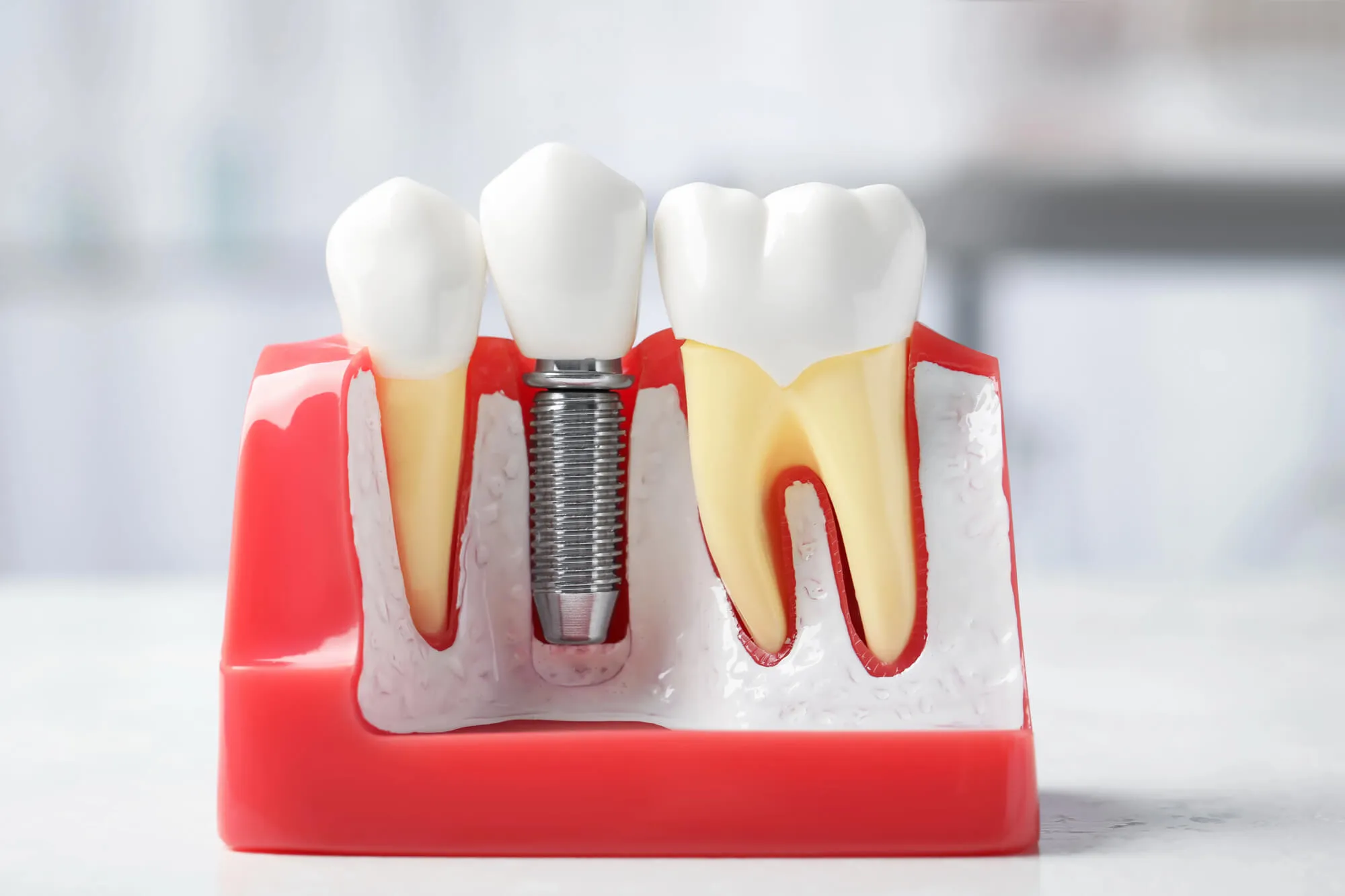
A dental implant is a small titanium post placed in the jawbone to serve as an artificial tooth root. Once the implant integrates with the surrounding bone, a custom dental crown is attached to complete the restoration.
The result is a replacement tooth that looks, feels, and functions much like a natural tooth.
Unlike removable options, dental implants remain securely in place and become part of the mouth’s overall structure.
The Three Parts of a Dental Implant
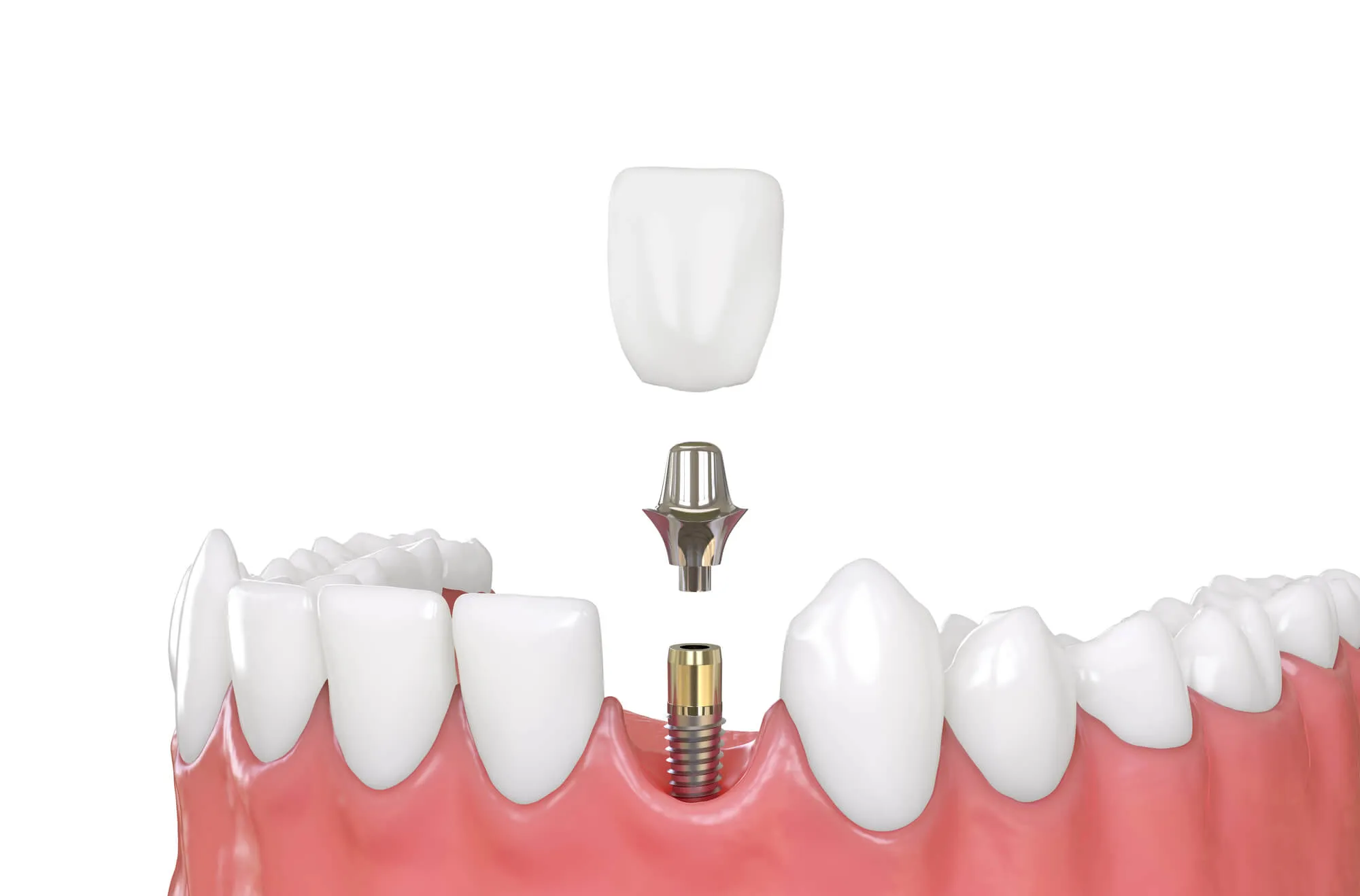
A single dental implant consists of three components:
- The implant post: placed within the jawbone
- The abutment: connects the implant to the crown
- The dental crown: the visible portion that resembles a natural tooth
Together, these components create a stable and functional replacement for a missing tooth.
Why Dental Implants Are Considered a Long-Term Solution
Several tooth replacement options are available, but dental implants offer unique benefits that contribute to their long-term success.
They Help Preserve Jawbone Health
One of the biggest advantages of dental implants is their ability to stimulate the jawbone. Because the implant functions like a natural tooth root, it helps maintain bone density in the area.
This support helps reduce bone loss that often follows tooth extraction.
They Do Not Depend on Neighboring Teeth
Traditional dental bridges often require modifying healthy neighboring teeth to support the restoration. A dental implant stands independently and does not rely on adjacent teeth for support.
This allows healthy teeth to remain untouched while still replacing the missing tooth.
They Provide Stability and Comfort
Dental implants are securely anchored in the jawbone, which means they do not shift or move during speaking or eating.
Many patients appreciate the confidence that comes with a restoration that feels secure and functions naturally throughout the day.
They Are Designed for Long-Term Function
With proper care and routine dental visits, dental implants can provide many years of reliable function. Maintaining good oral hygiene and attending regular checkups help support long-term success.
What to Expect During the Dental Implant Process
The dental implant process takes place over several stages, allowing time for healing and integration.
Initial Evaluation and Planning
The process begins with a comprehensive examination. Your dentist evaluates the health of your teeth, gums, and jawbone to determine whether an implant is the right option.
Digital imaging may be used to assess bone levels and create a personalized treatment plan.
Implant Placement
The implant post is carefully placed into the jawbone during a surgical procedure. Over the following months, the bone gradually bonds with the implant through a process known as osseointegration.
This connection provides a strong foundation for the replacement tooth.
Crown Placement
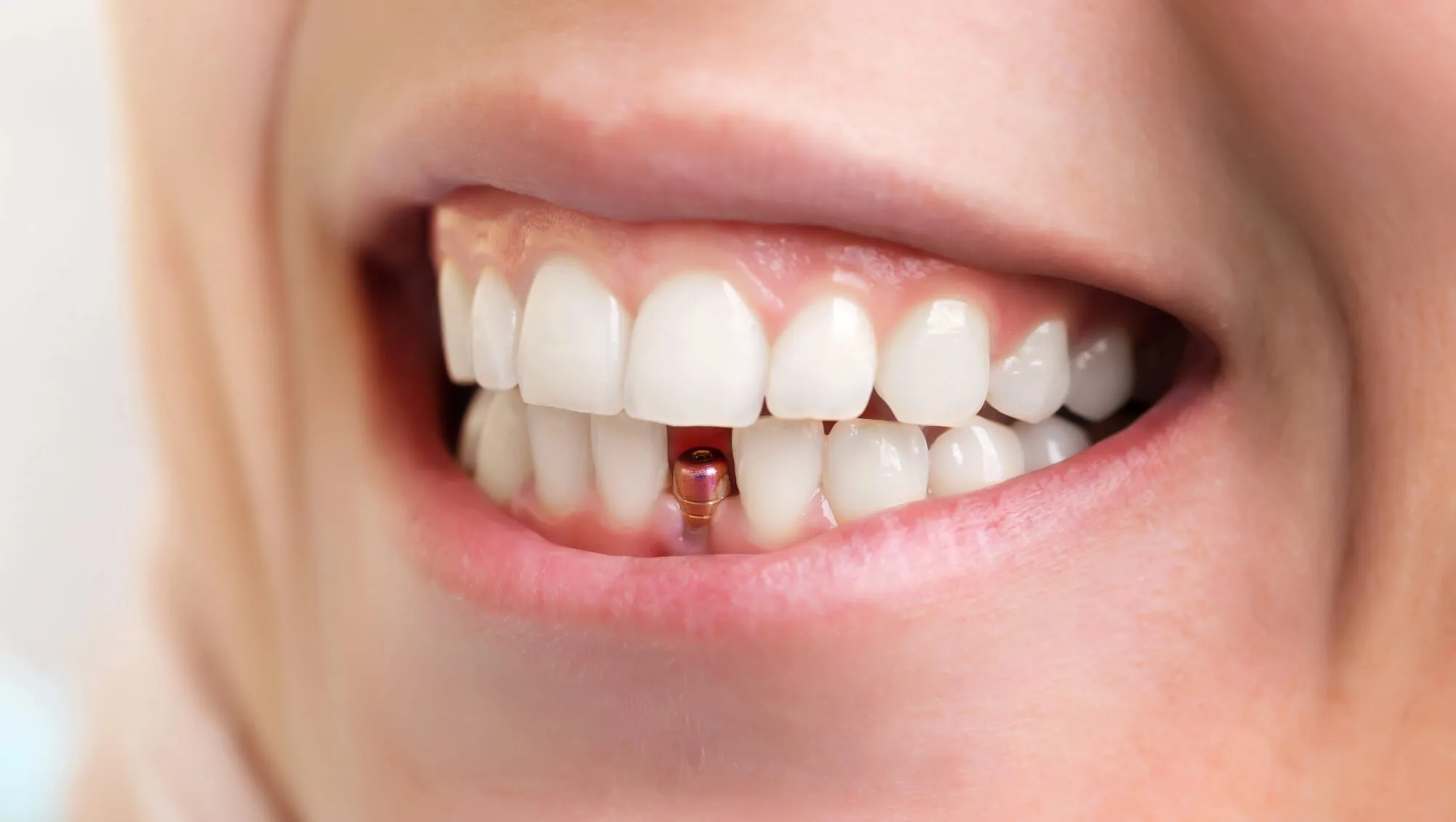
Once healing is complete, a custom-made crown is attached to the implant. The crown is designed to match the color, shape, and size of surrounding teeth for a natural appearance.
The final result restores both function and aesthetics.
How to Care for a Dental Implant
Caring for a dental implant is similar to caring for natural teeth.
Brush and Floss Daily
Regular brushing and flossing help remove plaque and support healthy gums around the implant.
Attend Routine Dental Visits
Professional cleanings and exams allow your dentist to monitor the health of the implant and surrounding tissues.
Protect Your Oral Health
Avoiding tobacco use and maintaining good oral hygiene habits can contribute to the long-term success of your implant restoration.
Frequently Asked Questions About Single Dental Implants
Does getting a dental implant hurt?
Most patients report that the procedure is more comfortable than expected. Local anesthesia helps keep the area numb during treatment.
How long does a dental implant last?
With proper care and regular dental visits, dental implants can provide long-lasting function and stability.
Can a dental implant replace any tooth?
In many cases, yes. Dental implants can replace missing front teeth, back teeth, and other single-tooth gaps.
Restore Your Smile With Dental Implants in Moody, AL
A missing tooth can affect more than appearance. It can influence chewing function, bite alignment, and long-term oral health. Replacing that tooth early can help preserve your smile’s health and prevent future complications.
At The Dental Office of Moody, we believe every patient deserves personalized care and treatment options that support lasting oral health. Our team takes time to answer questions, explain each step of the process, and help patients feel comfortable throughout treatment. If you are missing a tooth and would like to learn whether a dental implant is right for you, contact our office today to schedule a consultation.