
Straight teeth are not just about appearance. For many adults, crowding, shifting teeth, or bite changes can make brushing harder, affect comfort while chewing, or cause growing frustration with their smile over time. Once the decision to improve alignment is made, the next question usually becomes whether Invisalign or traditional braces would fit better into daily life. Both treatments can improve tooth position and bite function, though each comes with different advantages. With guidance from a trusted Moody dentist, adults can choose an option that supports their oral health, comfort, and long-term goals.
How Invisalign and Braces Straighten Teeth
Both Invisalign® and traditional braces work by applying steady pressure that gradually shifts teeth into better alignment. While the goal is similar, the treatment experience can feel very different depending on the option selected.
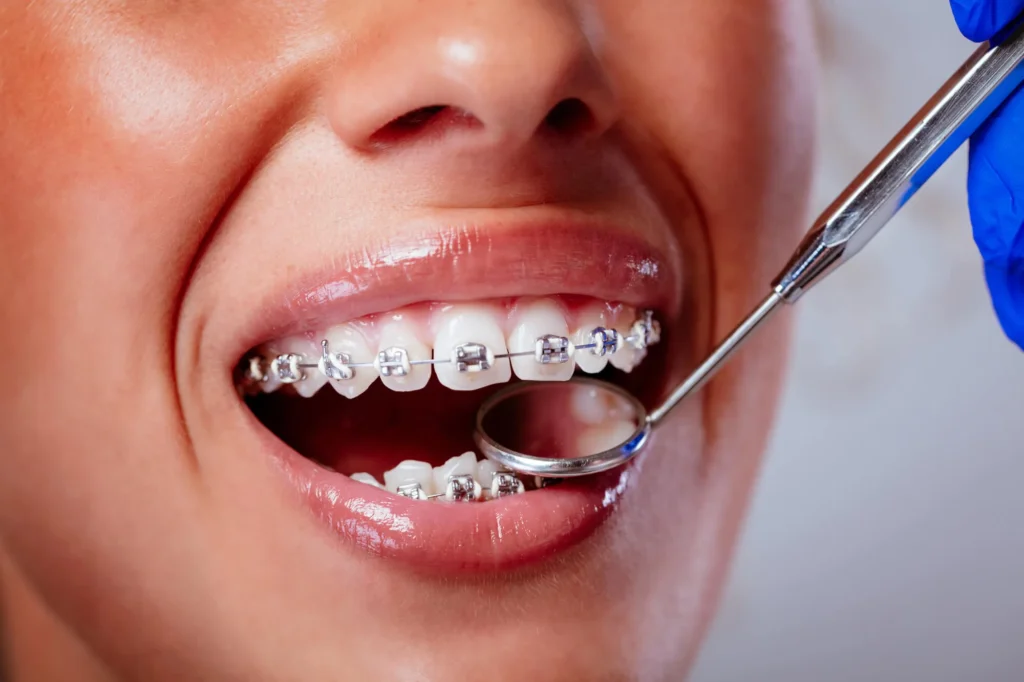
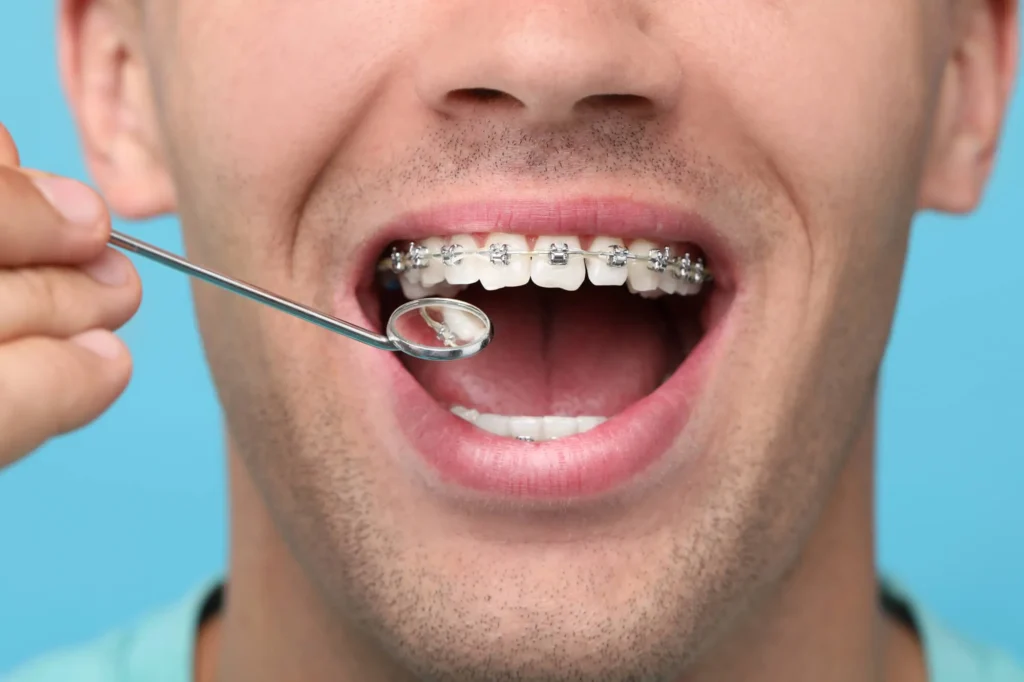
Traditional braces use metal brackets attached to the teeth and connected with wires. These wires are adjusted periodically to continue guiding tooth movement throughout treatment.
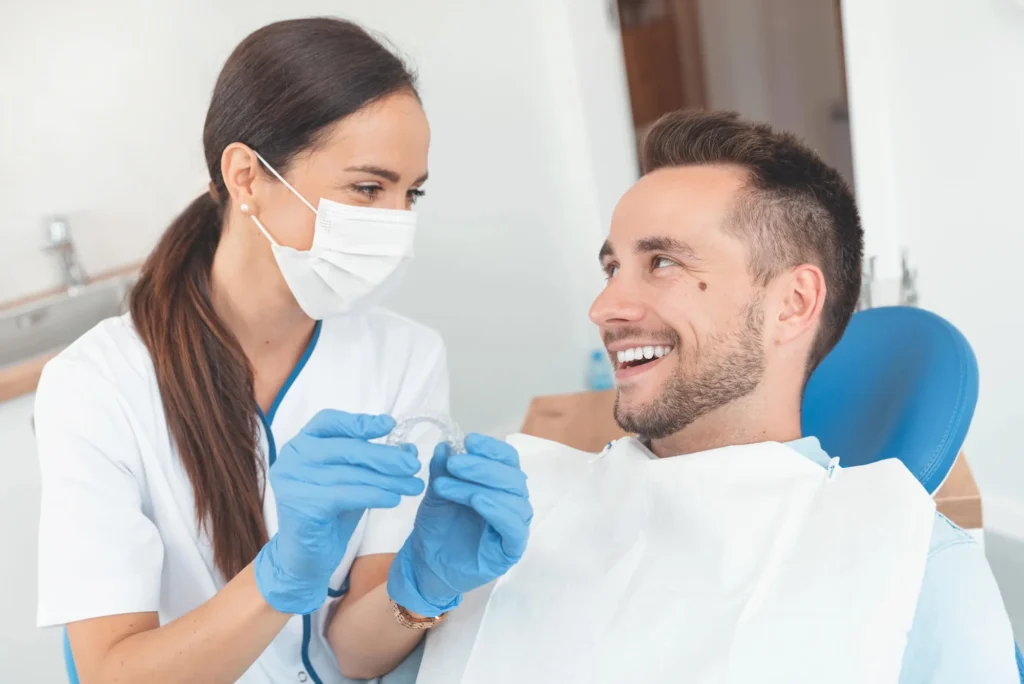
Invisalign uses a series of clear plastic aligners custom-made for the patient’s teeth. The aligners are changed every one to two weeks as teeth gradually move into position.
Both treatments can help improve:
- Crowded teeth
- Gaps between teeth
- Bite alignment
- Crooked teeth
- Mild to moderate spacing concerns
The right choice depends on oral health needs, lifestyle preferences, and the complexity of tooth movement required.
Why Many Adults Prefer Invisalign
Invisalign has become increasingly popular among adults because the aligners are clear and less noticeable than traditional braces. Adults often appreciate being able to straighten their teeth without drawing attention to the treatment itself.
Another advantage is flexibility. Invisalign aligners are removable, which allows patients to eat normally and maintain regular brushing and flossing routines without brackets or wires in the way.
Many adults also find Invisalign more comfortable during daily wear because the aligners are made from smooth plastic rather than metal components.
Adults often choose Invisalign because it offers:
- A discreet appearance
- Removable aligners during meals
- Easier brushing and flossing
- Fewer food restrictions
- Less irritation against cheeks and lips
For adults with mild or moderate alignment concerns, Invisalign can provide an effective balance between appearance and convenience.
Where Traditional Braces Still Have Advantages
Traditional braces remain one of the most effective orthodontic treatments for complex alignment concerns. Severe crowding, rotated teeth, large gaps, and bite problems may respond more predictably to braces because they allow more precise tooth control.
Braces also work continuously because they stay attached throughout treatment. Invisalign requires consistent wear, usually around 20 to 22 hours each day. Patients who frequently remove aligners may slow their progress.
Some adults prefer braces because they eliminate the responsibility of remembering to wear aligners properly.
Traditional braces may work better for adults who:
- Have more advanced orthodontic concerns
- Need complex bite correction
- Prefer fixed treatment
- May struggle wearing aligners consistently
- Want continuous tooth movement throughout the day
Modern braces are also smaller and more comfortable than many adults expect.
Comparing Lifestyle and Daily Comfort
Daily routine often becomes one of the biggest deciding factors when adults compare Invisalign and braces. Eating habits, work schedules, and oral hygiene routines all influence treatment satisfaction.
Eating and Food Restrictions
Braces require patients to avoid certain foods that may damage brackets or wires. Hard candy, popcorn, sticky snacks, and crunchy foods are commonly restricted during treatment.
Invisalign aligners are removed before meals, which allows adults to continue eating most foods normally. This flexibility is especially appealing for adults who dine out often or attend social gatherings regularly.
Still, Invisalign users need to clean their aligners carefully before placing them back in the mouth.
Brushing and Flossing
Oral hygiene with braces can take more time because food particles may become trapped around brackets and wires. Special flossing tools are sometimes recommended to clean effectively between teeth.
Invisalign aligners simplify oral hygiene because they are removable. Patients can brush and floss normally before putting the trays back in.
For adults who prioritize convenience, this difference can strongly influence treatment preference.
Speech and Adjustment Period
Both Invisalign and braces require an adjustment period. Braces may initially irritate the inside of the cheeks or lips, while Invisalign users sometimes notice temporary speech changes during the first few days.
Most adults adjust quickly as the mouth becomes more comfortable with the treatment appliances.
Treatment Time and Effectiveness
Treatment length depends on several factors, including alignment complexity and patient consistency.
Many Invisalign cases for adults are completed within 6 to 18 months, though more involved cases may take longer. Braces often require one to two years for more advanced corrections.
While Invisalign works well for many adults, braces may provide better control for severe orthodontic concerns.
During a consultation, your dentist evaluates:
- Tooth alignment
- Bite function
- Jaw positioning
- Existing dental restorations
These findings help determine which treatment option is likely to provide the most stable and predictable results.
The Importance of Consistency With Invisalign
Invisalign treatment depends heavily on consistency. Aligners must stay in place most of the day to maintain steady pressure on the teeth.
Adults who remove aligners frequently or forget to wear them regularly may experience slower progress.
Braces remove this responsibility because they remain attached throughout treatment. For adults with unpredictable routines, this difference may make braces easier to manage.
Cost Considerations for Adults
The cost of Invisalign and braces varies depending on treatment complexity and duration. Invisalign may sometimes cost slightly more than traditional braces, though the difference is often smaller than patients expect.
Many adults evaluate more than just upfront cost when comparing orthodontic treatment. Appearance, convenience, appointment frequency, and comfort also influence overall value.
A consultation helps determine which treatment best aligns with both smile goals and budget.
Quick Comparison: Invisalign vs Braces
Invisalign
- Clear aligners with discreet appearance
- Removable during meals
- Easier brushing and flossing
- Fewer dietary restrictions
- Requires strong daily consistency
Traditional Braces
- Better for complex orthodontic concerns
- Continuous treatment without removal
- No need to track aligner wear time
- Effective for severe bite issues
- More noticeable during treatment
Frequently Asked Questions About Invisalign and Braces
Is Invisalign faster than braces?
Invisalign may work faster for mild to moderate alignment concerns, though treatment time depends on consistency and case complexity.
Do braces work better than Invisalign?
Braces may provide greater control for complex orthodontic concerns. Invisalign works well for many adults with moderate alignment needs.
Can adults get braces later in life?
Yes. Adults of many ages choose orthodontic treatment to improve alignment, comfort, and oral health.
Ready to Improve Your Smile With a Moody Dentist?
Orthodontic treatment can improve alignment, bite balance, and long-term oral health. At The Dental Office of Moody, our team provides personalized care and clear guidance to help adults choose between Invisalign and braces. Contact us today to schedule a consultation and find the orthodontic option that best fits your lifestyle and smile goals.
*Invisalign®, the Invisalign logo, and iTero®, among others, are trademarks and/ or service marks of Align Technology, Inc. or one of its subsidiaries or affiliated companies and may be registered in the U.S. and/or other countries.