
Your gums bleed every time you brush, and no amount of extra flossing seems to fix it. That’s frustrating, and it usually means gingivitis has progressed beyond what a toothbrush can handle on its own. Periodontal treatment sounds intimidating. However, it’s a lot more straightforward than most patients expect.
Visiting a dental clinic in Moody, AL, can help you understand what happens at each stage of treatment, from the first exam to the cleanings that help prevent gum disease from returning.
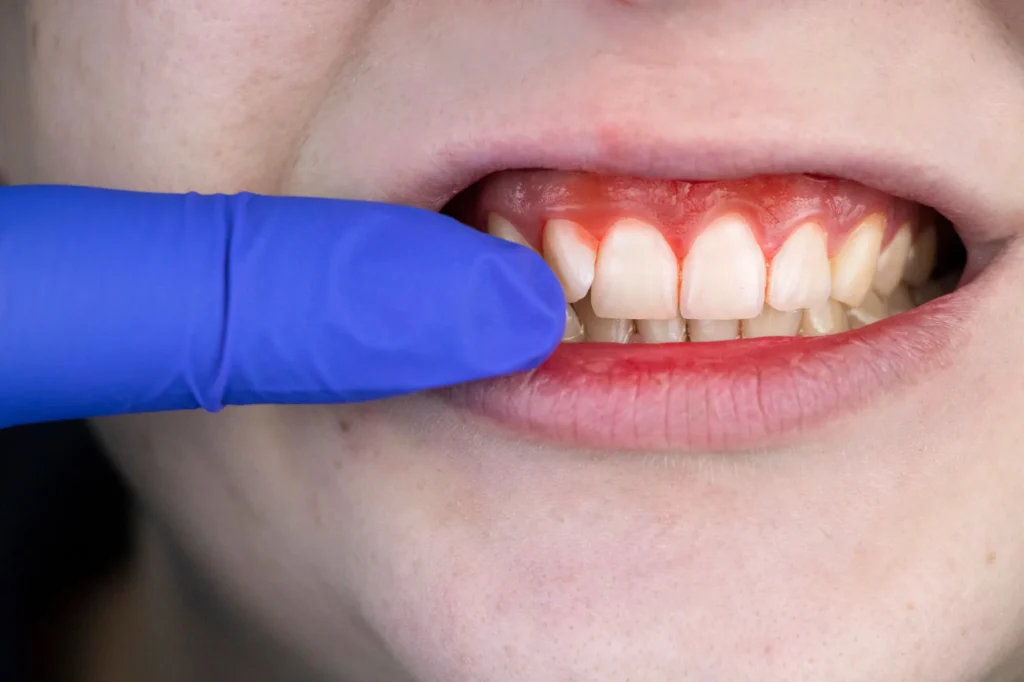
Why Gum Disease Keeps Coming Back
Gum disease rarely announces itself the way a cavity does. It builds up beneath the gumline as plaque, and by the time you notice bleeding or swelling, the infection has usually been there for a while. Most patients don’t notice until a cleaning feels tender or a hygienist points out a pocket forming near the back teeth.
Catching it early keeps treatment simple. Letting it progress just means longer appointments, more visits, and a longer road back to healthy gums.
Gingivitis vs. Periodontitis
Gingivitis is the mild, reversible stage of gum disease. Your gums might look puffy or bleed a little when you brush, but the bone underneath is still intact.
Periodontitis is what comes next: plaque hardens into tartar below the gumline; pockets form between your teeth and gums, and the infection starts working its way toward the bone. According to the CDC, nearly half of American adults over thirty have some form of periodontitis, and severe cases affect about eight percent of adults.
What Puts You at Risk
Genetics, age, and daily habits all shape your risk of developing gum disease. Some factors sit outside your control, and others come down to what you do, or skip, each day. Common risk factors include:
- Smoking or other tobacco use
- Diabetes or other conditions that affect blood sugar
- Pregnancy-related hormone changes
- A diet that’s low in the nutrients gum tissue needs
- A family history of gum disease
- Certain medications that reduce saliva flow
- Ongoing, high stress
None of these guarantees you’ll develop periodontitis, but they’re a good reason to pay closer attention to your gums between cleanings, not just during them. Gum health also affects more than just your mouth. Diabetes and heart-related conditions show up on this list for a reason, since each one can make the other harder to manage.
Signs Your Gums Need More Than a Toothbrush
Gum disease can hide in plain sight, especially early on. Patients don’t always feel pain from it, which is exactly why regular checkups catch problems a toothbrush and mirror can miss. A hygienist measuring gum pockets during cleaning will often spot trouble before you feel anything at all. Watch for:
- Gums that bleed when you brush or floss
- Redness, swelling, or tenderness along the gumline
- Bad breath that doesn’t go away
- Teeth that feel loose or have shifted position
- Gums that seem to be pulling away from your teeth
- A bite that suddenly feels different than usual
Routine dental visits catch these changes long before they become a bigger problem.
What Scaling and Root Planing Actually Involves
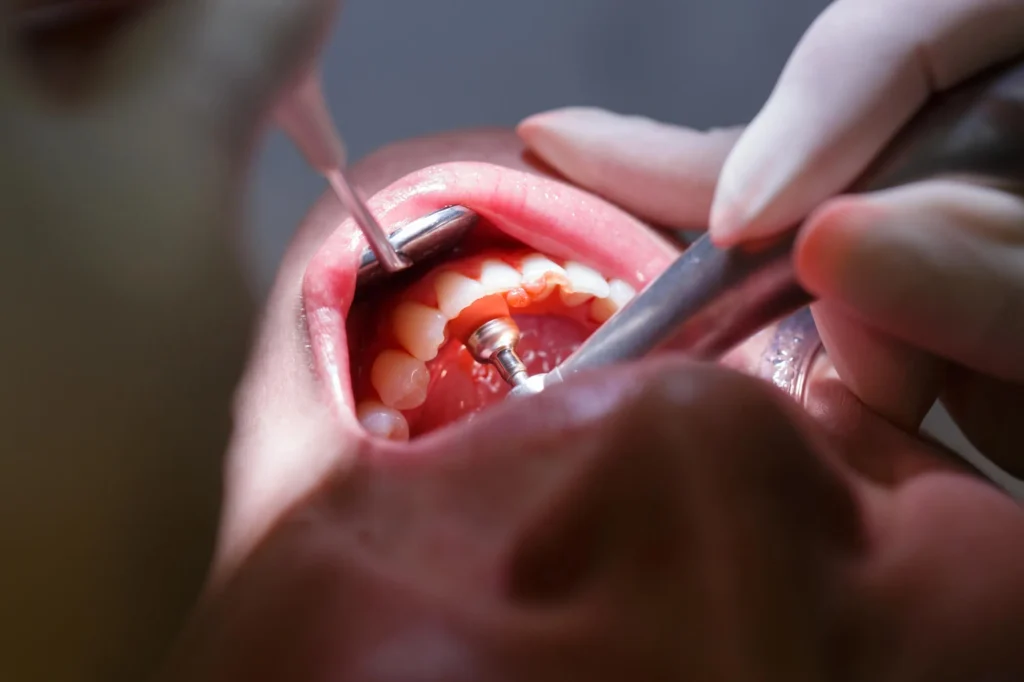
Once periodontitis sets in, standard cleaning won’t clear it out. Scaling and root planing is the go-to treatment, and it works in two parts. Scaling removes tartar and plaque from below the gumline, and root planing smooths the tooth root, so bacteria have a harder time reattaching.
Your dentist usually treats the mouth in sections, working one side at a time, so the numbness doesn’t affect your whole mouth at once.
The American Academy of Periodontology notes that many patients who complete this treatment do not require further treatment, though most still benefit from ongoing maintenance therapy to keep their gums stable.
If the gums do not respond as expected, the dentist will discuss what additional periodontal care entails before recommending the next steps.
Staying Comfortable and Staying Consistent
Deep cleanings sound worse than they usually feel. Local anesthetic keeps the area numb during treatment, and patients who get nervous about longer appointments may opt for sedation dentistry to help them stay relaxed in the chair.
Treatment does not end when you leave the office. Flossing at least once a day matters just as much as professional care because it clears plaque that a toothbrush cannot reach along the gumline. When paired with routine teeth cleanings every three to four months—instead of the usual six—most patients notice a significant improvement in their gum health within just a few visits.
Frequently Asked Questions
Is scaling and root planing painful?
Most patients feel pressure more than pain, since the area is numbed first. Some mild soreness afterward is normal and usually fades within a day or two.
How long does periodontal treatment take?
Deep cleanings are often split into two appointments, one for each side of the mouth. From there, plan on more frequent maintenance visits rather than a single fix.
Will dental insurance help cover treatment?
Coverage depends on your plan. Our team can walk you through your dental insurance coverage before treatment starts, so there aren’t any surprises on your bill.
How do I keep gum disease from coming back at home?
Daily flossing, a soft-bristle toothbrush, and sticking to your maintenance schedule make the biggest difference. Cutting back on tobacco helps, too, since smoking is one of the strongest risk factors for the disease returning.
Can gum disease come back after treatment?
It can, especially without consistent home care and maintenance visits. That’s why we build a cleaning schedule for each patient rather than a one-size-fits-all timeline.

Your Dental Clinic in Moody, AL, is Ready to Help Your Gums Heal
Dr. Engle and Dr. Chugh built this practice around one simple idea: patients should smile with confidence and feel good doing it. If your gums have been bleeding, sore, or just not improving, no matter how well you brush, we’d rather see you now than after the problem grows further.
Ask about our new patient specials if you’re due for an exam, and our team will build a treatment plan around what your gums actually need, not a generic one. We also offer some Saturday appointments for patients who can’t get away from work or school during the week. Schedule an appointment at the Dental Office of Moody, and let’s get your gum health back on track together.