
Many people grow up hearing they should see the dentist every six months, yet real life often gets in the way. Busy schedules, uncertainty about need, or the belief that no pain means no problem can all lead to skipped visits. Still, oral health doesn’t always show warning signs early. Understanding how often dental visits are recommended, and why that timing matters, can help you protect your smile with confidence. Here’s how care schedules work and how general dentistry in Moody, AL, supports personalized, preventive dental care.

Why the “Every Six Months” Rule Became Common
The recommendation to visit the dentist twice a year didn’t appear randomly. Regular cleanings and exams allow dental professionals to monitor changes that happen gradually. Plaque hardens into tartar over time, and early signs of decay or gum irritation often appear long before discomfort begins.
For many patients, six months is a practical interval that helps manage buildup, monitor oral health, and address concerns early. Still, this schedule isn’t universal. Oral health varies from person to person, which is why visit frequency often changes based on individual needs.
How Oral Health History Affects Visit Frequency
Past dental history plays a large role in how often you should be seen. Patients who have experienced frequent cavities, gum irritation, or dental restorations often benefit from more consistent monitoring. Teeth that have fillings, crowns, or bridges may require closer observation to maintain long-term stability.
On the other hand, patients with a history of strong oral health and consistent home care may need fewer visits. Dentists assess these factors during exams and recommend schedules that support ongoing health.
Patients Who May Need More Frequent Visits
Some conditions increase the need for more frequent dental care. Gum inflammation, for example, can progress quietly and benefits from closer supervision. Patients with diabetes, dry mouth, or immune system concerns may also require additional visits, as these factors affect how the mouth responds to bacteria.
Smoking or vaping can change gum health and healing response, making routine monitoring important. In these cases, dental visits may be recommended every three to four months to maintain stability.
When Fewer Visits May Be Appropriate
Not every patient needs the same schedule. Those with low cavity risk, healthy gums, and consistent home care may be advised to visit less frequently. This decision is made after reviewing dental history, current exam findings, and lifestyle factors.
Even for low-risk patients, regular checkups remain important. Changes can develop over time, and routine visits help confirm that oral health remains on track.
Dental Visits at Different Life Stages
Age and life stage also influence how often dental visits are recommended. Oral health needs change over time, and visit schedules often adjust to reflect those changes.
Children and Teens
Children benefit from regular dental visits to support healthy development and reinforce good habits. Teeth erupt, shift, and mature throughout childhood and adolescence. Routine exams help track growth, monitor spacing, and address early concerns.
These visits also help children become comfortable with dental care, making future appointments easier and more positive.
Adults
Adults often balance work, family, and personal responsibilities, which can make dental care feel less urgent. Still, adult teeth are subject to daily wear from chewing, grinding, and dietary habits. Regular visits help monitor enamel wear, gum health, and existing dental work.
Life changes such as pregnancy, stress, or medication use can also affect oral health, making routine exams valuable.
Older Adults
As people age, gum health, bone density, and saliva flow may change. Dental visits help monitor these shifts and support comfort and function. Older adults with restorations, dentures, or implants often benefit from consistent follow-up care to maintain fit and stability.
What Happens During Routine Dental Visits
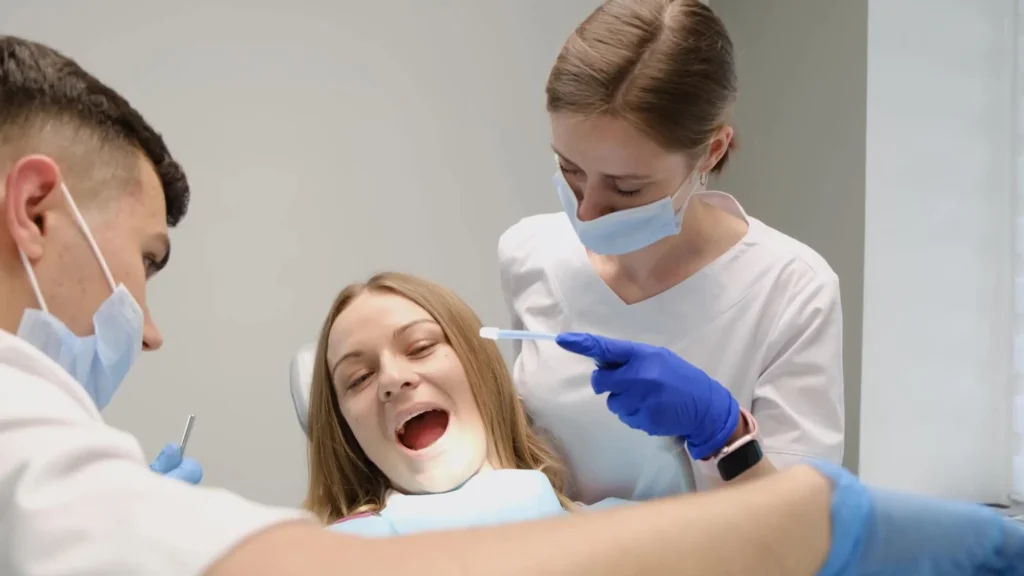
Routine dental visits involve more than just cleaning teeth. Each appointment provides an opportunity to assess overall oral health and detect early changes.
Dental Exams and Screenings
During exams, dentists check teeth, gums, and soft tissues. X-rays may be taken periodically to view areas not visible during a visual exam. These images help identify early changes that may not cause symptoms.
Screenings may also include checks for bite alignment and signs of wear from clenching or grinding.
Professional Cleanings
Cleanings remove plaque and tartar that brushing and flossing cannot reach. This process helps protect gum health and reduce the risk of decay. Cleanings also give dental professionals a chance to notice subtle changes that may need attention.
Home Care Guidance
Dental visits often include guidance on brushing, flossing, and daily care habits tailored to your needs. Your dentist may recommend adjustments to techniques, specific tools, or product changes to improve comfort and effectiveness. These small refinements support healthier gums, reduce plaque buildup, and help maintain oral health between visits.
Why Skipping Dental Visits Can Create Bigger Problems
Skipping visits doesn’t always cause immediate discomfort, which can make it tempting to delay care. Still, many dental concerns develop slowly. Early decay, gum irritation, and wear often progress quietly.
Routine visits help address these concerns before they become more complex. Preventive care supports comfort, reduces disruption, and helps maintain long-term oral health.
How Dentists Personalize Visit Schedules
Dental visit frequency isn’t one-size-fits-all. Dentists consider oral health history, current findings, and lifestyle factors when recommending care schedules. These recommendations can change over time as health needs evolve.
Open communication during appointments helps ensure visit schedules align with personal needs and goals. This personalized approach supports effective, preventive care.

Stay Proactive With General Dentistry in Moody, AL
Regular dental visits are an important part of maintaining oral health, but the right schedule depends on you. At The Dental Office of Moody, our team focuses on preventive care, clear communication, and personalized recommendations. We take time to understand your oral health history and guide you toward a visit schedule that supports comfort and long-term wellness.
Seeing the dentist regularly helps protect your smile, even when everything feels fine. The right timing depends on your oral health, lifestyle, and history. Staying proactive allows small concerns to be addressed early.
If you’re unsure how often you should be seen, contact The Dental Office of Moody today to schedule an appointment. Our team is committed to providing thoughtful, preventive care and helping you maintain a healthy, confident smile through every stage of life.