
If you often notice a small streak of blood in the sink, it could be a sign of something deeper beneath the surface. Bleeding gums are your body’s way of letting you know your gum health may need attention. By identifying the cause and addressing it early, you can protect both your smile and your overall well-being. Here’s what your gums might be telling you—and how periodontics in Moody, AL, can help.

What Bleeding Gums Reveal About Your Oral Health
Healthy gums should not bleed when brushed or flossed. Occasional irritation can occur, but consistent bleeding is a sign that inflammation has developed, most often due to a buildup of plaque along the gum line. If inflammation is not managed, it can lead to gum disease and other health concerns.
Let’s look closer at what’s happening when your gums start bleeding and what might be causing it.
Gingivitis: The Early Warning Sign
Bleeding gums are usually the first sign of gingivitis, which is the earliest stage of gum disease. Plaque, a sticky film of bacteria, builds up around your teeth and irritates the surrounding tissue. Your gums may appear red, swollen, and tender, and you might notice light bleeding during brushing or flossing.
The good news is that gingivitis is reversible with good home care and professional cleanings. But if ignored, it can progress into something more serious.
From Gingivitis to Periodontal Disease
When gingivitis advances, it develops into periodontal disease, an infection that damages the deeper supporting structures of your teeth. Bacteria begin to settle below the gum line, forming pockets that trap food particles and plaque. As the infection worsens, the body’s immune response breaks down gum and bone tissue, leading to tooth mobility and, in some cases, tooth loss.
Bleeding becomes more frequent, sometimes occurring without any apparent brushing or irritation. At this stage, routine cleaning isn’t enough. Professional periodontal care is necessary to stop the progression and protect your oral health.
Why Your Gums Might Be Bleeding
Bleeding gums can be linked to several factors beyond dental plaque, and understanding them helps identify the root cause of irritation or infection.
- Poor oral hygiene: Inconsistent brushing or flossing allows plaque and tartar to accumulate, irritating gum tissue and causing inflammation.
- Smoking or vaping: Tobacco use affects blood flow to the gums, weakening your body’s ability to fight bacteria and heal properly.
- Hormonal changes: Pregnancy, menopause, and puberty can make gums more reactive and sensitive to plaque buildup.
- Medications: Certain blood pressure drugs, anticoagulants, and even some antihistamines can increase gum bleeding or dryness.
- Medical conditions: Diabetes and immune-related disorders can heighten inflammation and slow gum healing.
If you experience ongoing bleeding, even with good hygiene, it’s essential to schedule a professional evaluation. Through periodontics, you can receive the care necessary to effectively control inflammation and restore your gum health.
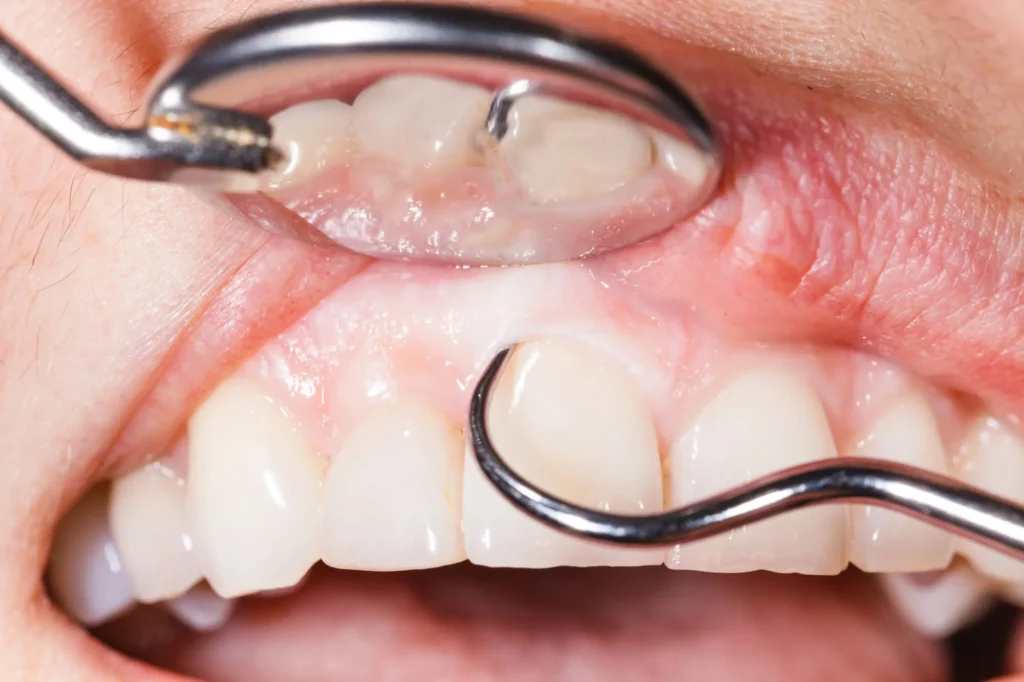
How Scaling and Root Planing Help Restore Gum Health
Scaling and root planing is the primary non-surgical treatment for gum disease. It’s often referred to as a “deep cleaning” because it goes beyond what routine cleanings can reach. This procedure helps stop infection, reduce inflammation, and create a healthier environment for your gums to reattach to the teeth.
What Happens During Scaling
During scaling, your dental professional uses ultrasonic instruments and fine hand tools to remove plaque, tartar, and bacterial buildup from both above and below the gum line. This step clears out the pockets where bacteria thrive, reducing the source of irritation and bleeding.
Usually, you’ll receive a local anesthetic to keep you comfortable throughout the procedure. Depending on the extent of buildup, your dentist may complete treatment in one or two visits.
Smoothing the Roots: The Root Planing Process
Once scaling is complete, the next step is root planing. This process smooths the rough surfaces of your tooth roots, preventing bacteria from reattaching and encouraging your gums to heal more effectively.
Smoother root surfaces make it easier for the gum tissue to reattach firmly to the teeth, helping close up pockets and stop further bacterial invasion.
After Your Deep Cleaning: What to Expect
Mild tenderness or sensitivity is common for a day or two after the procedure, but these symptoms fade as healing begins. Bleeding should noticeably decrease within days.
Your dentist will likely recommend follow-up visits to monitor recovery and schedule maintenance cleanings every few months. Regular visits help prevent the recurrence of infections and maintain your gums’ health in the long term.
Simple habits at home, such as brushing twice daily with a soft-bristled toothbrush and flossing carefully, also make a significant difference in your healing progress.
Why Addressing Gum Bleeding Matters
Many people underestimate how serious bleeding gums can be, assuming it’s normal or caused by brushing too hard. However, gum health is linked to more than just your mouth; it’s connected to your overall health.
The Mouth-Body Connection
Research suggests that advanced gum disease may increase the risk of certain health issues, such as heart disease, diabetes complications, and respiratory infections. Inflammation that starts in the mouth can contribute to inflammation throughout the body.
By addressing bleeding early, you not only protect your smile but may also support better systemic health.
Preventive Care Makes the Difference
Routine dental visits are crucial for detecting gum issues early. Regular cleanings, home care instructions, and checkups help maintain your mouth’s balance. Once gum disease develops, maintenance therapy (scheduled deep cleanings every few months) helps manage bacterial activity and preserve gum and bone structure.
Ignoring bleeding gums allows bacteria to thrive, and the longer it persists, the harder it becomes to control. Prompt professional care is the best way to maintain healthy and strong gums.

Keep Your Gums Healthy With Periodontics in Moody, AL
Your gums are more than just a frame for your teeth; they’re vital to both your oral and overall health. If you’ve noticed persistent bleeding, tenderness, or swelling, it’s time to have them checked.
At The Dental Office of Moody, our compassionate team combines advanced periodontal care with patient education to help you regain confidence in your smile. We focus on early detection, thorough cleaning, and long-term prevention so you can maintain strong gums and lasting oral health.
Contact The Dental Office of Moody today to schedule a periodontal evaluation. Together, we’ll create a personalized care plan that supports your comfort, restores gum health, and helps your smile stay healthy for the future.