
You’re brushing, flossing, and seeing your dentist, but your teeth still aren’t as bright as you’d like. Whether it’s your morning coffee, evening tea, or simply time, stains can unfortunately happen. If you’re considering whitening, it’s worth getting the facts first.
It’s important to know that not all whitening methods are the same, from over-the-counter kits to in-office options. Talking to a cosmetic dentist in Moody, AL, can help you avoid sensitivity, uneven results, or wasted effort. Here’s what to know before you brighten your smile.
How Teeth Whitening Works
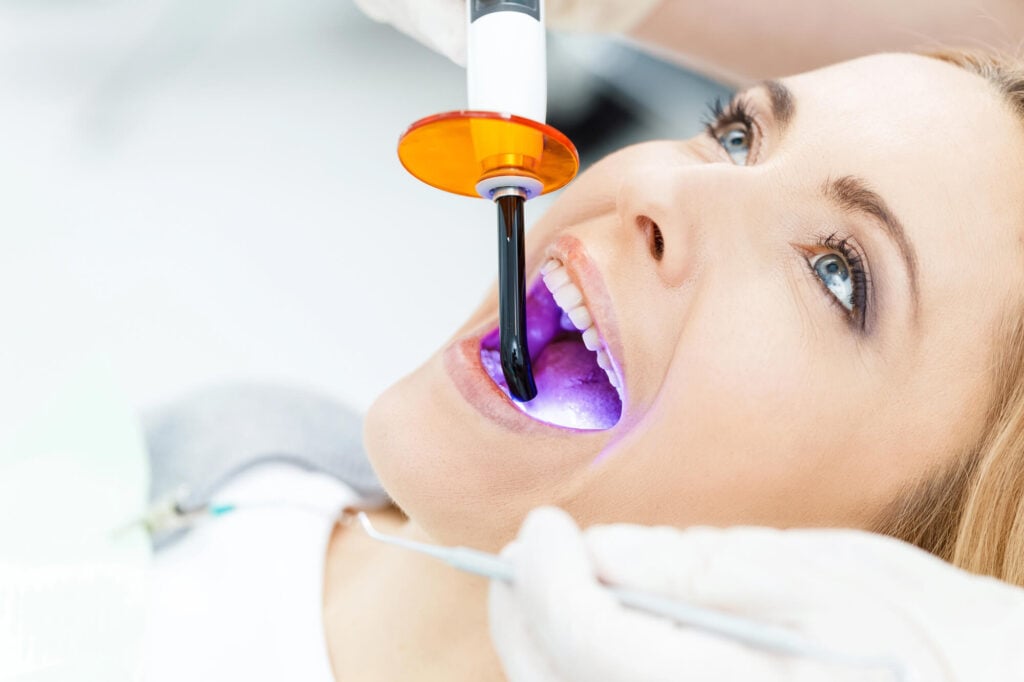
Whitening products use active ingredients, usually hydrogen peroxide or carbamide peroxide, to break down stains in the enamel. These agents work by penetrating the outer surface of the teeth and lifting color from deep within. The concentration and quality of these ingredients can vary widely, affecting how fast and well the whitening works.
Types of Tooth Stains
To better understand which method might work for you, it helps to know the types of stains whitening can address:
- Extrinsic stains affect the outer layer of the tooth and are typically caused by foods, drinks, and tobacco.
- Intrinsic stains occur below the surface and may result from trauma, medications, or natural aging.
- Age-related discoloration often includes a combination of both types as enamel thins and dentin darkens.
Professional whitening treatments are designed to tackle both kinds of stains more effectively than store-bought options.
In-Office vs At-Home Whitening: What’s the Difference?
There are two main options for whitening: in-office treatments and take-home kits. Here’s how they compare:
- In-Office Whitening: This method uses higher concentrations of whitening agents and is performed by a dentist. It usually takes about an hour and can brighten teeth by several shades in a single visit. Because the gums are protected during the procedure, it’s more controlled and can reduce the risk of irritation.
- Professional Take-Home Trays: These are custom-fit trays from your dentist, filled with professional-grade whitening gel. They’re worn for a set period each day for about two weeks. Though it takes longer, the results can be just as dramatic and are easier to maintain.
There are also over-the-counter options. Whitening strips, pens, and LED kits are widely available, but results vary. These products contain lower concentrations of active ingredients and are often less effective on deeper stains. They may also be harder to apply evenly and can cause sensitivity if overused.
Is Whitening Safe?
Professional whitening is safe when done correctly. A consultation before whitening ensures your teeth and gums are healthy enough for treatment. If you have cavities, gum inflammation, or worn enamel, your dentist may recommend addressing those concerns first.
While mild sensitivity is common after whitening, it usually goes away within a few days. Your dentist may suggest using a desensitizing toothpaste or shorter wear times to minimize discomfort. Avoiding very hot or cold foods right after whitening can also help.
Common Misconceptions About Whitening
There are plenty of myths around teeth whitening. Let’s set the record straight:
- Whitening damages enamel: False. Professional products don’t harm enamel when used as directed.
- All teeth whiten the same: Not true. Some teeth—especially those with internal stains—may not respond as well to whitening.
- You only need to whiten once: Results aren’t permanent. Depending on your habits, touch-ups are usually needed every few months to a year.
It’s also worth noting that whitening only works on natural teeth. Fillings, crowns, veneers, and bridges won’t change color with bleaching products. Your dentist will evaluate your existing dental work and help you plan a whitening approach that looks natural.
Foods and Habits That Affect Whitening Results
Your daily habits play a big part in both staining and maintenance. Here are a few things to keep in mind:
- Staining foods and drinks: Coffee, tea, wine, berries, and tomato-based sauces can all darken enamel over time.
- Tobacco: Smoking or chewing tobacco is one of the fastest ways to stain teeth.
- Oral hygiene: Brushing twice a day, flossing, and using mouthwash can help reduce surface stains.
- Using a straw: Drinking dark beverages through a straw helps limit contact with the front teeth.
After whitening, your teeth may be more porous for a short time. Avoid stain-heavy foods and drinks for at least 24 to 48 hours to help your results last longer.

How to Know If You’re a Good Candidate for Whitening
Before you whiten your teeth, it’s important to make sure it’s the right fit for your oral health and cosmetic goals. Not everyone responds to whitening in the same way, and some people may benefit more from alternative options.
Here are a few factors a dentist will consider:
- Your enamel condition: If your enamel is thin, worn, or weakened, your teeth may be more prone to sensitivity. Whitening may still be possible, but it might need to be adjusted or delayed until other issues are addressed.
- Existing restorations: Whitening agents do not affect fillings, crowns, bridges, or veneers. If you have dental work visible in your smile zone, your dentist will discuss whether these should be updated after whitening to match your new shade.
- Type of discoloration: Yellow-toned stains tend to respond better to whitening than gray or brown tones. Intrinsic stains, which occur inside the tooth, may require more than one approach to improve the color.
- Your oral hygiene habits: Good candidates maintain a consistent brushing and flossing routine and don’t have active gum inflammation or untreated tooth decay. If those are present, they’ll be addressed first to help ensure safe whitening.
If you’re not a candidate for bleaching, that doesn’t mean you’re out of options. Cosmetic bonding or porcelain veneers might be recommended instead to achieve a brighter and more uniform smile.
Why Talk to a Cosmetic Dentist Before Whitening?
Getting advice from a cosmetic dentist ensures your whitening treatment fits your needs and your oral health. An in-person evaluation helps identify whether your stains are surface-level or deeper. Your dentist can also check for any dental work that may affect your results.
Whitening is most effective after a professional cleaning. Removing plaque and tartar allows the whitening gel to reach your enamel more evenly. Your provider may recommend scheduling a cleaning before starting your whitening treatment.
If your teeth are naturally darker due to genetics, or if you’ve experienced trauma or fluorosis, your provider can discuss alternatives such as veneers or bonding for a more consistent look. Whitening is not a one-size-fits-all treatment; a personalized approach leads to better, safer results.
Looking for a Reliable Cosmetic Dentist in Moody, AL?
A bright smile can make a strong impression, but it’s important to approach whitening with care. With so many products available, knowing what works and what’s safe can be confusing. That’s why starting with a dental consultation matters.
If you’ve been thinking about whitening your teeth, start with a consultation. At The Dental Office of Moody, we’ll walk you through your options, answer your questions, and help you decide what makes the most sense for your smile.
Whether you’re getting ready for a special occasion or want to refresh your appearance, we’re here to make it easy, effective, and comfortable. Contact us today to book a consultation!